Understanding the Psychology of Connection
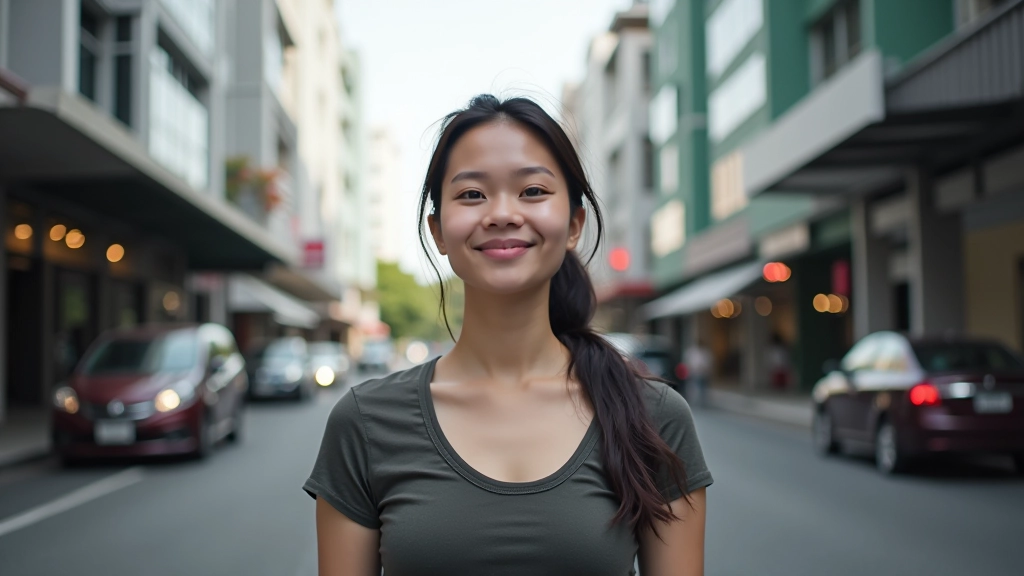
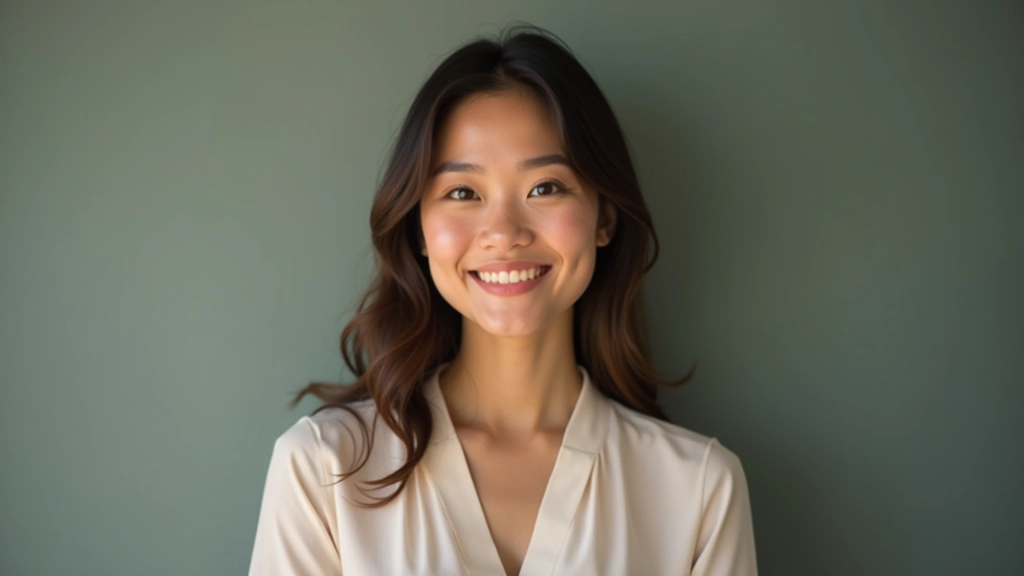
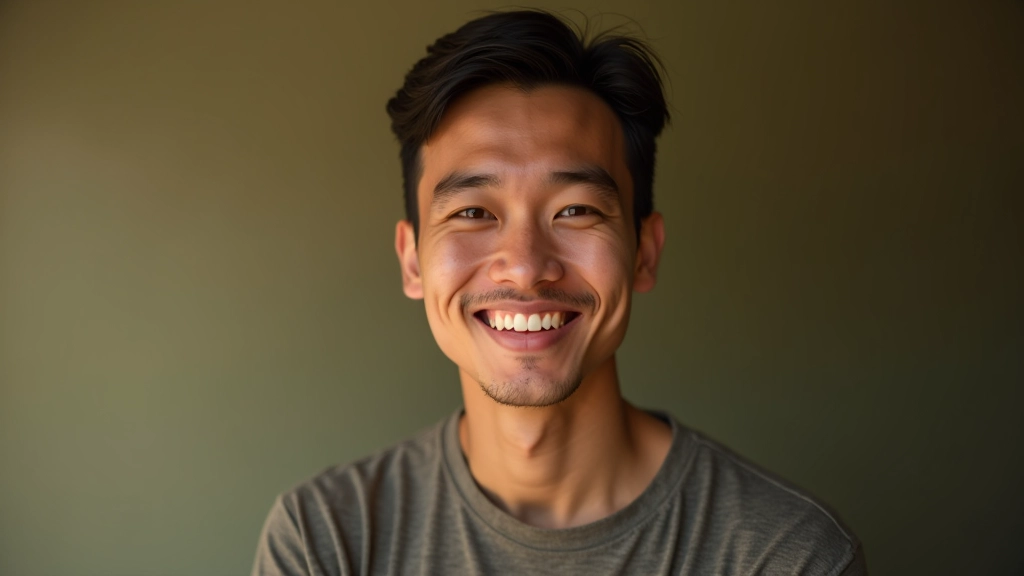
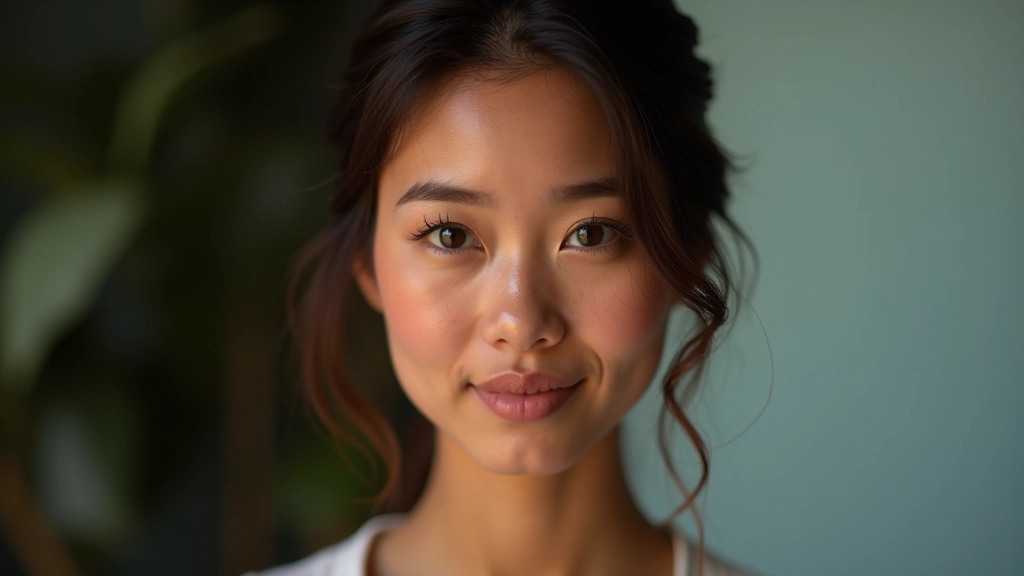
Portrait photography isn’t about technical perfection. It’s about capturing what’s genuine in a person. When you’re working with a subject, you’re building a relationship — even if it’s just for an hour. The best portraits come from moments where someone forgets about the camera and just exists in front of it.
Think about the portraits you actually love. They’re not always the ones with perfect lighting or flawless skin. They’re the ones where you feel like you’re looking at a real person. That connection starts before you ever press the shutter. It starts with conversation, with making your subject feel comfortable, and with genuine interest in who they are.
The technical side matters, sure. But it’s secondary to creating an environment where authentic moments can happen. You’ll notice this as soon as you start paying attention to how people respond when they feel seen and heard.
Mastering Lighting Fundamentals
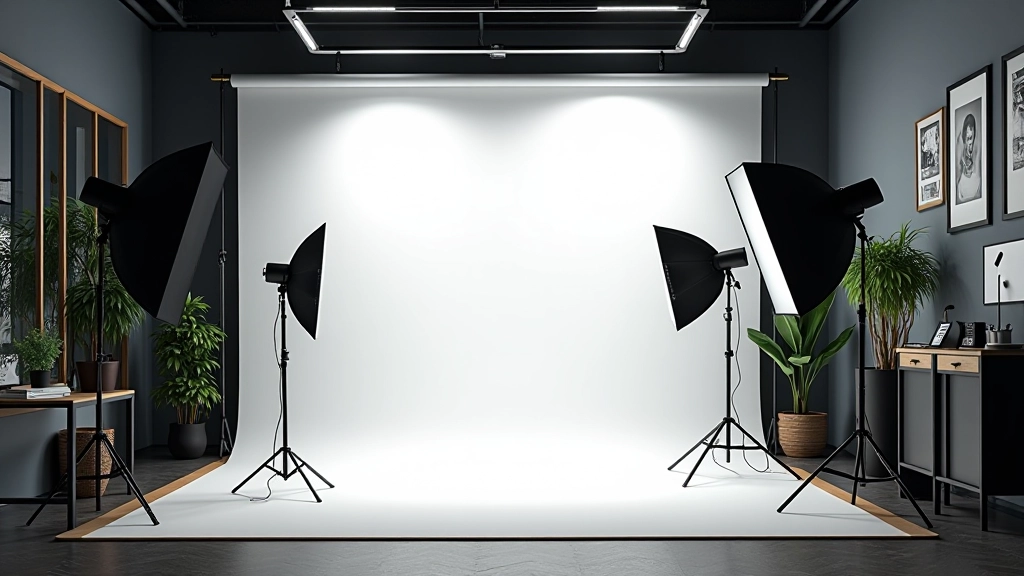
Lighting is where portrait photography becomes a craft. You’ve got three main light positions to work with: key light, fill light, and back light. The key light does most of the work — it’s typically placed at a 45-degree angle to your subject. This creates dimension and reveals texture.
The fill light softens shadows. Without it, you get harsh contrast. With proper fill lighting, faces look sculpted but still approachable. Back lighting separates your subject from the background. Even a simple setup — key light plus reflector for fill — creates professional results. Don’t overcomplicate it.
Natural light works beautifully too. Window light gives you a free, directional light source. Early morning or late afternoon sunlight provides warmth. The key is understanding how light shapes faces. Once you get that, you can work with almost anything.
Essential Portrait Techniques
Focal Length Selection
Use 50mm to 85mm lenses for flattering proportions. Longer focal lengths compress features in a pleasing way. Wide lenses distort faces — avoid them unless you want a specific creative effect.
Eye Contact & Composition
Eyes are where attention goes first. Keep them sharp, keep them bright. Position eyes on the upper third of your frame using rule of thirds. Leave space in front of where someone’s looking — it feels more natural.
Posing With Purpose
Don’t just tell people to smile. Direct them into poses that feel natural to them. Slight angle to the body, head turned slightly toward camera, shoulders back. Small adjustments make massive differences in how confident someone looks.
Background Selection
Your background either supports your subject or distracts from them. Simple is better. Neutral colors work. Soft focus helps. Make sure there’s nothing growing out of someone’s head or looking awkward behind them.
Directing Your Subject With Confidence
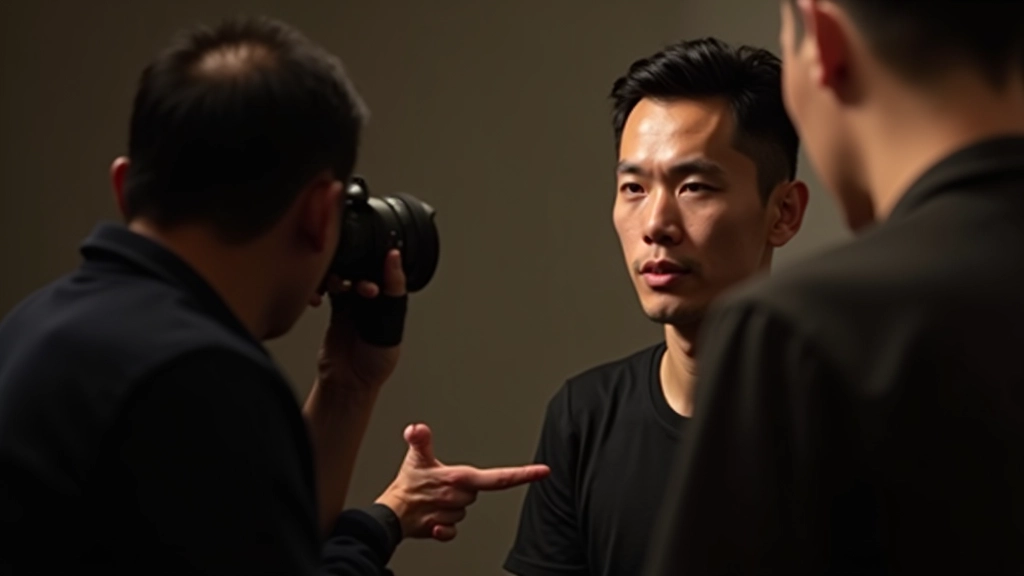
Direction is where many photographers get uncomfortable. They’re behind the camera, so they assume they don’t need to talk much. That’s backwards. The best portrait photographers are the best directors. You’re essentially coaching someone into being their best self.
Start by telling them what you’re going for. “We’re capturing something authentic today — not formal, just real.” That sets expectations. Then give specific direction. Instead of “look natural,” try “look at something just above my camera and think about a time you felt really proud.” Specific prompts create specific expressions.
Watch what happens in the first frame versus frame 47. Usually, people relax into it. The early shots feel stiff because they’re thinking about the camera. The later shots feel real because they’ve forgotten it’s there. Keep shooting. Don’t settle too early.
Post-Processing Without Overdoing It
Post-processing is where many photographers lose credibility. People can tell when you’ve made someone look like a plastic version of themselves. That’s not a good look. The goal is to enhance what’s already there, not create something fake.
Start with exposure and white balance. Get those right and you’re already 80% there. Then work on contrast — a small bump makes images pop. Skin retouching should be subtle. Remove blemishes if they want, but keep texture and character. A person’s face tells their story. Don’t erase it.
Color grading ties everything together. A consistent color palette makes a portrait feel intentional. Warm tones feel approachable. Cool tones feel moody. Choose one and stick with it. The best edits are the ones people don’t notice because the photo just looks right.
Building Your Portrait Practice
Portrait photography is a skill that develops over time. You won’t nail every session. That’s okay. Each shoot teaches you something — about lighting, about directing, about what works and what doesn’t. The photographers whose work stands out are the ones who’ve put in the repetitions.
Start with friends. Practice in different lighting conditions. Try studio work, natural light work, indoor and outdoor. Build your intuition about how light behaves and how people respond to direction. Keep shooting. The technical stuff becomes automatic, and then you can focus on the real work — connecting with your subject and capturing something real.
That’s when portrait photography stops being about f-stops and shutter speeds, and starts being about something meaningful. That’s when you’ll take shots that matter.
Educational Disclaimer
This article provides educational information and general guidance about portrait photography techniques. The advice and approaches described are based on common photography practices and principles. Individual results may vary based on equipment, environment, subject preferences, and skill level. Always respect your subjects’ comfort and consent when photographing. Photography is an evolving skill — these techniques are starting points, not absolute rules. Experiment, learn from your mistakes, and develop your own style.