

The golden hour isn’t just a phrase photographers throw around. It’s that magical window—usually 30 to 60 minutes after sunrise or before sunset—when the sun sits low on the horizon and bathes everything in warm, diffused light. You’ll notice the difference immediately: colors become richer, shadows soften, and the entire scene gains depth and dimension.
For beach landscapes, golden hour is absolutely essential. The light interacts differently with water, sand, and sky during this time. It’s when you’ll capture those stunning shots that make people stop and stare.
Understanding Light Direction and Quality
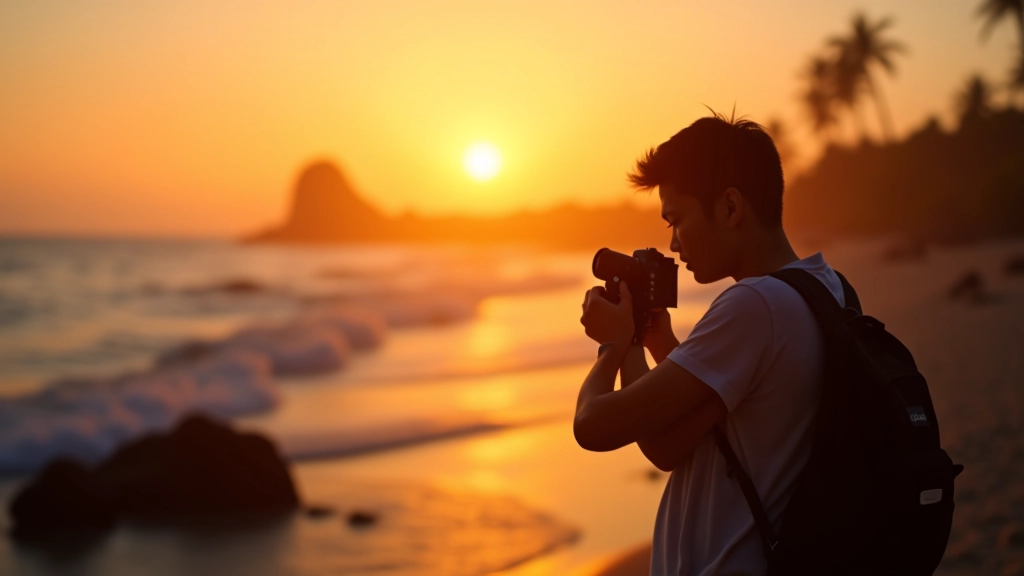
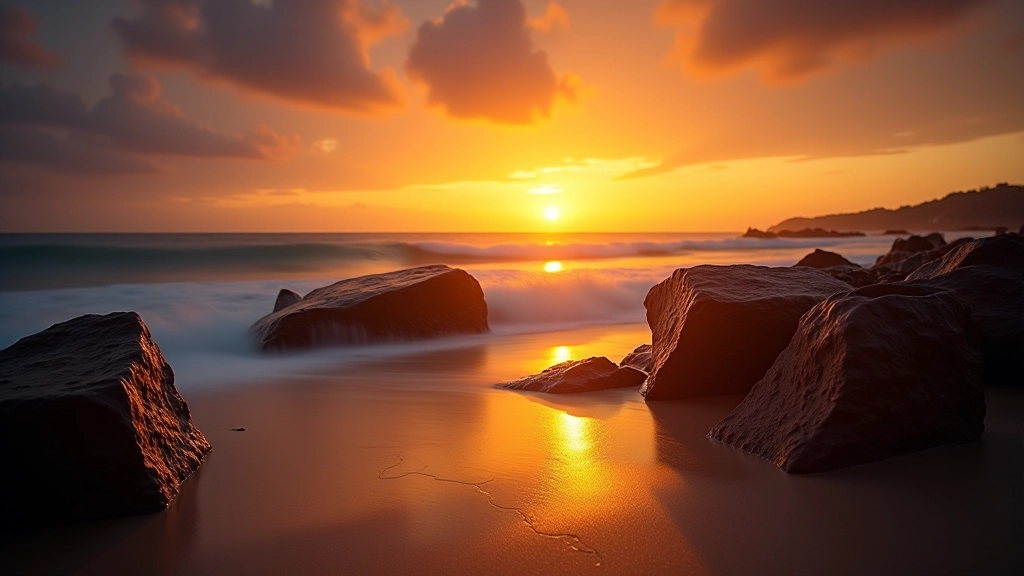
The position of the sun relative to your camera dramatically changes what you’ll capture. Backlighting—where the sun is behind your subject—creates a rim of light around the horizon and turns the water into liquid gold. You’ll get those incredible silhouettes of rocks and palm trees against a glowing sky.
Side lighting, where the sun comes from the left or right, emphasizes texture and contours. Sand ripples become visible. Cliffs show dramatic shadows and highlights. This technique works particularly well for revealing the geological character of coastal formations.
The key is positioning yourself so the light direction supports your composition. Don’t just point your camera at the sunset. Think about what’s in your foreground and how light will shape it.
Mastering Exposure During Golden Hour
Here’s where many photographers struggle. The golden hour’s beautiful light also creates tricky exposure situations. You’ve got bright sky and darker foreground competing for your meter’s attention.
We’re talking about specific settings here. Start with aperture around f/8 to f/11—this gives you decent depth of field while keeping foreground and sky reasonably sharp. For shutter speed, you’re usually looking at 1/125th to 1/500th depending on how bright it actually is. ISO should stay as low as possible, typically 100-400.
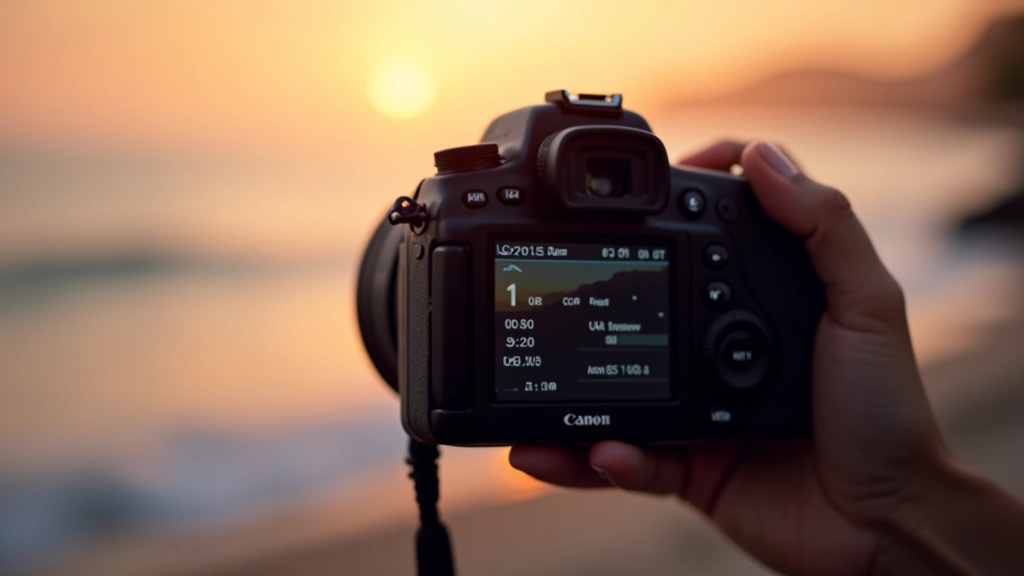
Use your camera’s histogram. Don’t trust the LCD screen in bright sunlight—it’ll lie to you. The histogram shows if you’re blowing out the highlights or losing detail in shadows. Expose for the sky first, then bring up shadows in post-processing if needed. You can’t recover blown-out highlights.
Composition Techniques That Work
The rule of thirds applies here, but don’t get rigid about it. Divide your frame into thirds both horizontally and vertically. Place the horizon on the upper or lower third line—rarely in the middle. When the sky is most dramatic, let it dominate two-thirds of the frame. When the foreground is interesting, flip that ratio.
Leading lines matter enormously. A rocky outcrop, a fishing boat, or even a shadow cast across the sand can guide the viewer’s eye through your image. Use these natural elements to create depth and movement.
Foreground interest separates good beach photos from great ones. Don’t just photograph the sunset. Include something in the immediate foreground—shells, wet sand patterns, or rocks. This creates layers and gives the viewer something to connect with immediately.
Practical Tips You’ll Actually Use
Arrive Early
Don’t wait for the sun to touch the horizon. Show up 30-45 minutes before sunset. You’ll get the best light and scout your composition while you have time.
Use Filters
A circular polarizer cuts glare off water and deepens sky color. A neutral density filter lets you use slower shutter speeds for silky water effects. Both are genuinely useful, not gimmicks.
Protect Your Gear
Salt water and sand destroy cameras. Bring a rocket blower for dust. Rinse your gear with fresh water after beach shoots. It takes five minutes and saves thousands.
Shoot Multiple Angles
Move around. The light’s the same, but your perspective changes everything. Climb higher, get lower, shift left or right. You’ll find compositions you wouldn’t have imagined standing still.
Bringing It All Together
Golden hour beach photography isn’t complicated once you understand the fundamentals. It’s about light direction, proper exposure, thoughtful composition, and actually being there. The techniques we’ve covered—backlighting, histogram metering, rule of thirds, foreground interest—they’re all tools that work together.
What makes the difference is showing up consistently and paying attention. You’ll develop an instinct for where to stand, when the light is peaking, and how to frame the moment. That’s when you stop thinking about the technical stuff and start creating images that genuinely capture what drew you to the beach in the first place.
Get out there. Bring your camera. Watch how light transforms the landscape during those precious golden hours. The Philippine coastlines are some of the most photogenic places in the world—you’ve got incredible material to work with. Now you’ve got the knowledge to capture it properly.
Disclaimer
This article provides educational information about beach landscape photography techniques. Photography styles and results vary based on individual skill level, equipment, lighting conditions, and location. The techniques described are suggestions based on established photography principles. Always check local beach regulations and safety guidelines before shooting. Use appropriate eye protection when photographing toward the sun, and be aware of your surroundings to avoid hazards on beaches and rocky terrain.