
Photography Portfolio Specialist
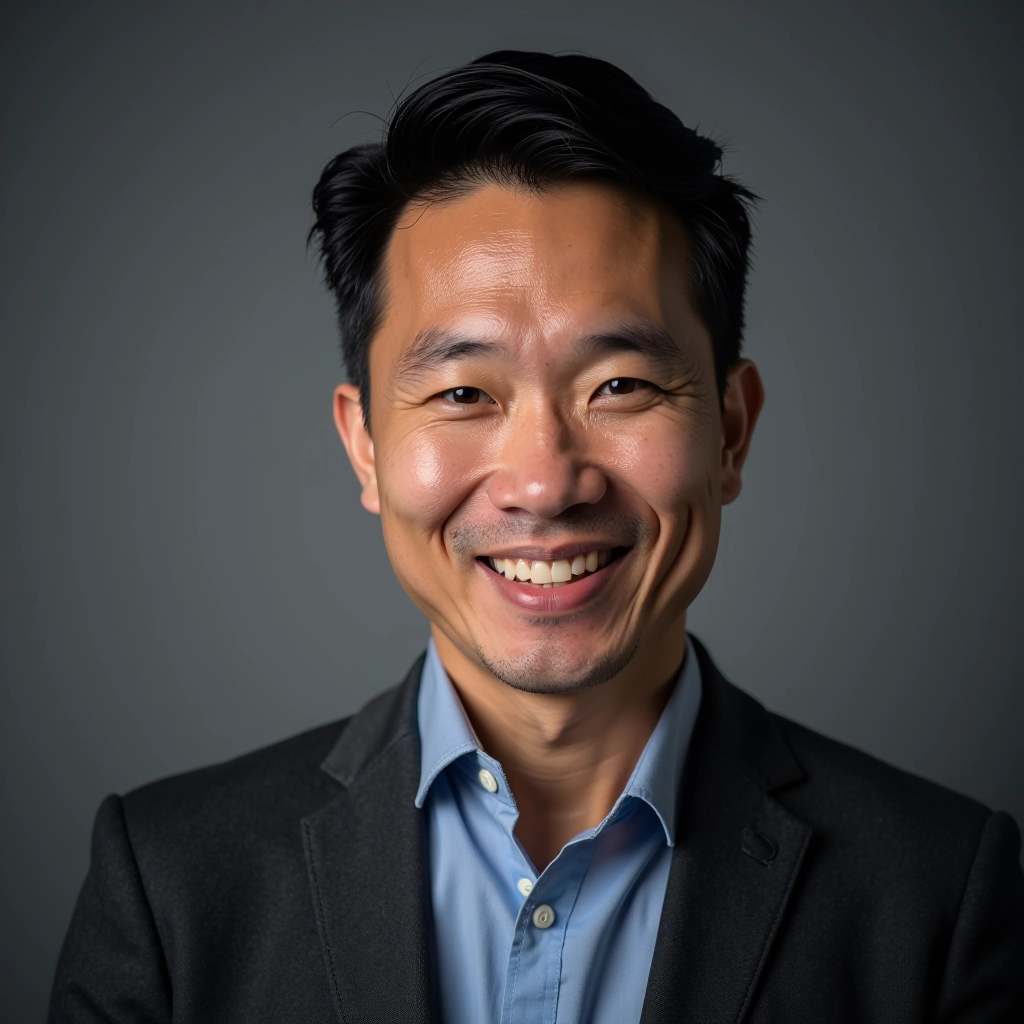
Marcus Reyes
Senior Photography Web Designer & Portfolio Optimization Specialist at Aperture Manila Ltd
With 14 years of experience, Marcus has designed bespoke portfolio platforms for over 150 Philippine photographers and studios, specializing in full-bleed gallery systems, high-resolution image optimization, and responsive design solutions that balance aesthetic impact with blazing-fast performance.
14
Years Experience
150+
Philippine Studios
8
Years in Gallery Systems
In Conversation
On Photography, Performance, and Philippine Creative Studios
A deeper look at what drives Marcus’s approach to building portfolio websites that let photographers’ work shine.
What exactly is a full-bleed gallery, and why does it matter for photographers?
A full-bleed gallery means images stretch edge-to-edge across the viewport — no margins, no distractions, no whitespace boxing them in. It’s the difference between showing someone a photograph on a gallery wall versus showing them a photo in a frame. The work fills the space completely, commanding attention and emotional response.
I started building these systems in 2016 for a Boracay-based travel photography collective. Their images were stunning — beach landscapes, sunrise shots, golden-hour magic. But the generic portfolio platform they were using put everything in tiny thumbnails with borders and gutters. The impact was lost. When we moved to full-bleed, their inquiries doubled within three months. That’s not coincidence.
For Manila urban photographers especially, full-bleed presentation shows the architecture, the street energy, the texture of the city in ways constrained layouts simply can’t. Every pixel counts.
High-resolution images and fast load times feel like opposing goals. How do you balance them?
They don’t have to be opposing. The secret is intelligent delivery — serving the right image to the right device at the right moment. We’re not trying to serve a 40006000px file to someone on a phone. That’s wasteful. Instead, we use responsive image techniques: different source sets for mobile, tablet, and desktop screens, plus formats like WebP with JPEG fallbacks.
Lazy loading helps too. If someone’s browsing your portfolio on mobile, we don’t load every image at once. We load what’s visible first, then the next batch as they scroll. They see beautiful, sharp images instantly without waiting for everything to download upfront. For retina displays — the real high-pixel-density screens — we serve 2x resolution files, but only to devices that can actually use them. Older phones get the standard resolution and it still looks crisp.
The real win is optimization. We compress images intelligently, strip unnecessary metadata, and test actual load times on real networks — not just in the lab with perfect wifi. I’ve seen portfolios drop from 8-second load times to under 2 seconds just by implementing proper image delivery strategy.
Tell us about lightbox overlays and project description panels. Why are they important?
A lightbox is basically an expanded view — click an image in the gallery grid, and it opens full-screen with context. But the mistake most designers make is just showing the image bigger and calling it done. That’s boring and it wastes an opportunity.
We integrate project description panels alongside or below the lightbox. This is where the story lives. Maybe you’re showing a portrait series — the lightbox reveals each person at full impact, but the description panel explains who they are, what their story is, why this shot matters. For a food photography project, you’re not just showing beautiful plating; you’re telling the story of the restaurant, the chef’s vision, the inspiration. It transforms a collection of images into a narrative.
Smooth transitions between images matter too. Abrupt cuts feel jarring. Gentle fades or slides create flow. It’s about respecting the viewer’s experience — making them feel guided through the work rather than bombarded by it.
Category filters for travel, food, portrait, and event work — how do you keep this intuitive without overwhelming viewers?
The biggest mistake is making filtering feel like you’re navigating a database. Categories should feel natural, like browsing sections of a gallery. We keep filters simple — usually 4-6 clear options — and make the active filter obvious without being garish. A subtle highlight, a small underline, a background color change.
Here’s the thing: a photographer who does travel work probably also does portraits. Event photographers often shoot food. So categories can overlap. We make sure the filtering system handles that gracefully. Click “Portrait” and you see all portraits, even if some are from travel assignments. It’s flexible.
We also put filters in a logical place — usually below the hero or at the start of the gallery section — and make sure they’re mobile-friendly. On small screens, they stack nicely or become a dropdown without breaking the layout. The goal is always: get people to the work they came to see, quickly and without friction.
You’ve worked extensively with Philippine photographers and studios. What’s unique about their challenges?
The Philippines has an incredibly talented creative community — some of the best photographers I’ve worked with are based in Manila, Cebu, Davao. But they’re often competing globally while working with tight budgets. A photographer in the US might have resources to build a custom portfolio from scratch. A Manila-based photographer needs solutions that are beautiful, performant, and sustainable without breaking the bank.
Beach landscape photographers here face unique technical challenges too. Tropical light is intense and changes rapidly. Sand and saltwater create texture and mood that generic portfolio platforms don’t showcase well. Urban Manila photographers are documenting incredible architecture, street energy, and cultural moments that demand careful presentation. You can’t just dump those images into a template and expect them to land.
There’s also the practical reality of internet infrastructure. Load times matter more when not everyone has gigabit connections. We’ve become obsessive about optimization partly because we’re designing for the real-world conditions our clients work in. That’s shaped how I approach every project.
What’s one thing you wish more photographers understood about their portfolio websites?
That your website is part of your creative work, not separate from it. A lot of photographers treat it like an afterthought — “I’ll just upload my images and call it done.” But your portfolio site is the first impression clients see. It shapes how they perceive your work before they ever meet you or see a print.
The best portfolio websites feel like an extension of the photographer’s vision. They’re composed as carefully as the images themselves. Colors, spacing, typography, flow — it all matters. We don’t design “generic beautiful sites.” We design sites that match each photographer’s voice and aesthetic.
And performance isn’t boring or technical — it’s respect. If someone’s on their phone, excited to see your work, and your site takes forever to load, you’ve lost them. Fast, smooth, beautiful — that’s the goal. Not one or the other.
Background & Credentials
Education, Experience, and Recognition
Education
-
Bachelor of Science in Digital Media Design
De La Salle University Manila, 2012
-
Advanced Web Performance Optimization Certificate
Google Developers Training Program, 2019
-
Responsive Image Design Workshop
Interaction Design Association, 2021
Professional Experience
-
Senior Photography Web Designer
Aperture Manila Ltd, 2018–Present
-
Full-Stack Web Designer
Creative Studios Manila, 2014–2018
-
Freelance Designer & Developer
Self-employed, 2010–2014 (150+ projects)
Recognition & Features
-
Featured in Philippine Design Magazine
“10 Designers Shaping Philippine Creative Industry,” 2022
-
Portfolio Design Award
Southeast Asia Web Design Excellence, 2021
-
Performance Optimization Case Study
Web Performance Today, 2023
Core Expertise
- Full-bleed gallery systems and responsive image grids
- High-resolution image delivery for retina displays
- Lightbox overlays with integrated project descriptions
- Category filtering systems for photography collections
- Web performance optimization and image compression
- Responsive design for mobile-first photography portfolios
Design Philosophy
How Marcus Approaches Photography Portfolio Design
The Website is Part of the Work
A photographer’s portfolio website isn’t just a delivery mechanism for images. It’s a creative statement. It’s how you present your vision, your aesthetic, your voice to the world. Every decision — from color choices to typography to how images transition between views — shapes how someone experiences your work.
That’s why we don’t start with templates or pre-made solutions. We start by understanding each photographer’s style, their audience, and their goals. A travel photographer needs a site that feels adventurous and immersive. A portrait specialist needs something intimate and focused. A food photographer needs color, texture, and context. The design should reflect that.
Performance is Respect
Speed matters. Not because it looks good in metrics — because it shows respect for people’s time. Someone excited to see your work shouldn’t wait 10 seconds for images to load. They shouldn’t experience janky scrolling or stuttering transitions. A fast, smooth experience is the foundation. It gets out of the way and lets the work shine.
We’re obsessive about this. We test on real devices, on real networks, not just in ideal conditions. We compress intelligently, we serve images responsively, we optimize every detail. It’s not separate from design — it’s part of design.
Context Elevates Impact
A beautiful image on its own is one thing. But when you give it context — a story, background, the “why” behind the shot — it becomes something more meaningful. That’s where project descriptions, image metadata, and narrative structure come in. We’re not just showing work. We’re helping people understand it.
Simplicity in Complexity
Building a portfolio site with full-bleed galleries, lightbox overlays, category filters, and responsive images involves a lot of technical complexity. But the person browsing it shouldn’t feel that complexity. Navigation should be intuitive. Filtering should be obvious. Images should load and display beautifully without the user thinking about the engineering behind it. We hide the complexity so the experience feels effortless.
Authentic Design
Every portfolio is unique because every photographer is unique. We don’t adapt templates — we create original designs that reflect individual vision and aesthetic.
Technical Excellence
Beautiful design without technical foundation is fragile. We obsess over code quality, performance metrics, accessibility standards, and cross-browser compatibility.
Photographer-First Thinking
We design for photographers first, clients second. What does a photographer need to showcase their work authentically? What features actually matter? What gets in the way?
Continuous Learning
Web standards evolve. Image formats improve. Performance techniques advance. We stay current with industry changes and apply new knowledge to every project.
The Story
From Frustration to Specialization
2010
The Beginning: Freelance Design in Manila
Marcus started freelancing for local Manila photographers frustrated with generic portfolio platforms. Their work was stunning but the websites didn’t do it justice. This sparked the realization that photographers needed custom solutions.
2012
Formal Education: Digital Media Design
Graduated from De La Salle University Manila with a degree in Digital Media Design, combining formal training with years of hands-on freelance experience. The foundation for deeper expertise was established.
2016
Breakthrough: Full-Bleed Gallery System
Designed a custom full-bleed gallery system for a Boracay travel photography collective. The results were immediate — client inquiries doubled. This project cemented Marcus’s focus on photography-specific portfolio solutions.
2018
Senior Designer at Aperture Manila Ltd
Joined Aperture Manila Ltd as Senior Photography Web Designer. Took leadership in designing and implementing portfolio solutions for Philippine creative studios, helping 150+ photographers build award-winning websites.
2019
Performance Optimization Mastery
Completed Google’s Advanced Web Performance Optimization certificate. Deepened expertise in image delivery, lazy loading, and responsive design specifically for high-resolution photography portfolios.
2021
Industry Recognition
Won Portfolio Design Award from Southeast Asia Web Design Excellence. Work featured in Philippine Design Magazine as one of 10 designers shaping the country’s creative industry.
2023-2026
Current: Thought Leadership
Publishing case studies on web performance and photography portfolio design. Continuing to refine solutions for Philippine photographers and studios competing globally. Stays current with evolving web standards and image formats.
Featured Articles
Photography & Portfolio Design
Marcus shares practical knowledge and technical insights on photography-focused web design.
Urban Photography
Urban Manila: Documenting City Stories Through Photography
Techniques for capturing the energy, architecture, and street life of Manila. Discover how to present urban work in full-bleed galleries that demand attention.
March 31, 2026
Food Photography
Food Photography Fundamentals: Styling and Lighting
Create stunning food images with practical styling and lighting strategies. Learn how to present food work in category-filtered portfolios that sell your vision.
April 2, 2026
Portrait Photography
Portrait Photography: Building Connection Through the Lens
Master the interpersonal and technical skills of portrait photography. Explore how to present intimate portrait work through lightbox overlays and context panels.
March 26, 2026
Explore More Photography & Portfolio Content
Discover in-depth guides, technical insights, and practical strategies for photography portfolio design and web optimization.