
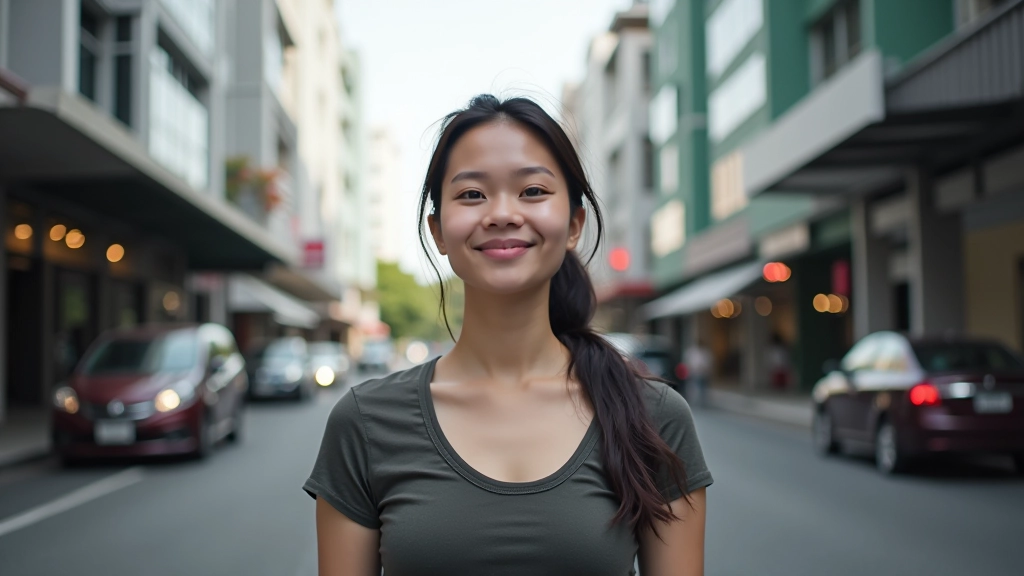
Understanding Urban Manila’s Photography Landscape
Manila’s streets tell stories that matter. The city’s dense neighborhoods, colonial architecture, and everyday street life create a visual language that’s uniquely compelling. But capturing it properly isn’t just about pointing a camera at interesting scenes.
You’ll notice that successful Manila street photographers develop a specific approach. They don’t just document what they see — they interpret it. They understand light patterns across different times of day, recognize when pedestrian traffic creates natural compositions, and know which neighborhoods have the most authentic stories to share.
The key difference between ordinary city shots and memorable urban photography comes down to intentionality. It’s about understanding the city’s rhythm, respecting the people you’re photographing, and finding moments where light, composition, and human activity align.
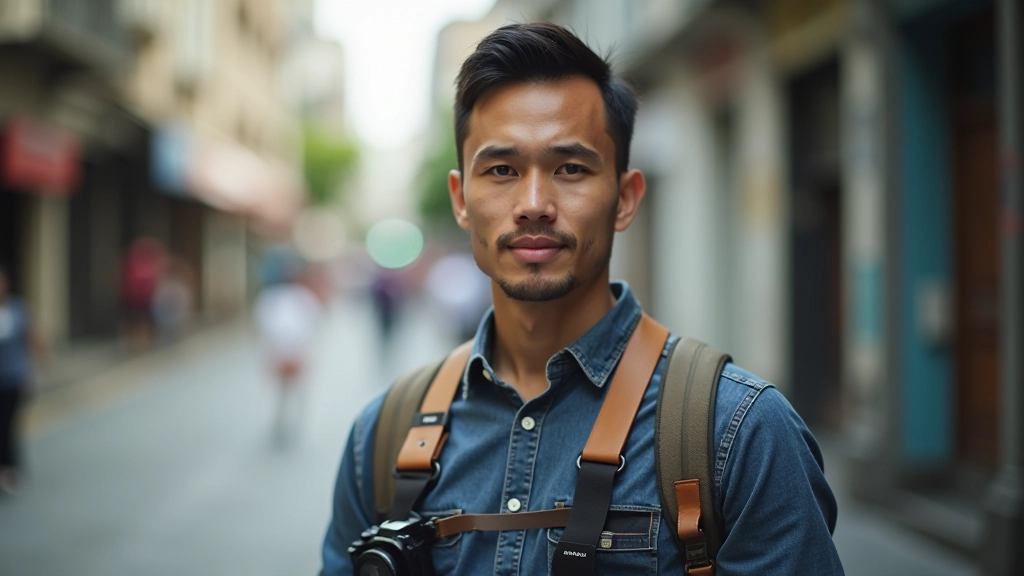
Technical Foundations for Manila Street Photography
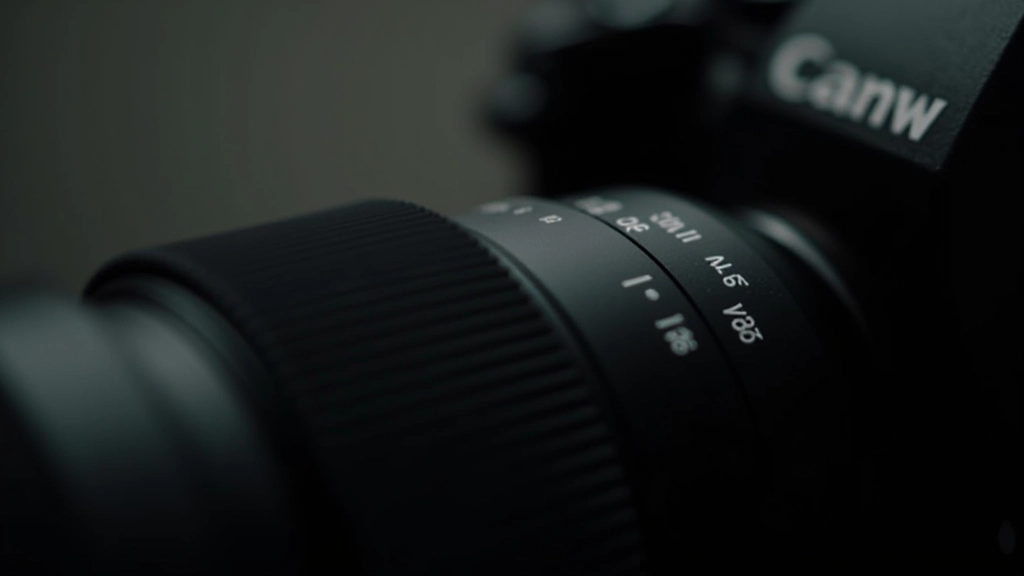
Let’s talk about the technical side. Street photography in Manila’s tropical environment demands specific camera settings. You’ll want to work with apertures between f/4 and f/8 — this gives you enough depth of field to keep street scenes sharp while allowing reasonable shutter speeds even in bright sunlight.
Shutter speed matters more than most beginners realize. For handheld shooting in Manila’s chaotic streets, you’re looking at minimum 1/250th of a second. But here’s the thing — it’s not rigid. When you’re shooting around noon with bright tropical sun, you might be at 1/500th or faster. Early morning or late afternoon? You could drop to 1/125th and still get sharp images.
ISO is where you make practical choices. Modern cameras handle ISO 400-1600 beautifully, which means you’ve got flexibility without worrying about visible noise. Don’t obsess over keeping ISO low. It’s better to shoot at ISO 800 with a sharp, well-composed image than to underexpose trying to preserve some theoretical image quality.
Composition Techniques for Authentic City Stories
Composition isn’t about following rigid rules. It’s about creating visual interest through intentional placement. In Manila’s crowded streets, you’re constantly working with overlapping elements — vendors, pedestrians, vehicles, architecture. This complexity is actually your advantage.
Leading lines in urban environments often come from building edges, street shadows, or pedestrian flow. Rather than fighting the chaos, use it. A street vendor’s arrangement of goods, a line of jeepney passengers — these create natural compositional pathways.
Frame within the frame. This technique works exceptionally well in Manila. Shoot through doorways, windows, or narrow alleyways to create visual boundaries. It adds depth and makes busy scenes feel more organized. You’re essentially creating a smaller composition within the larger street scene.
Negative space matters too, especially in dense urban environments. Don’t feel pressured to fill every inch of the frame. Sometimes the most compelling images have substantial empty space — sky above, pavement below — with human activity as the focal point.
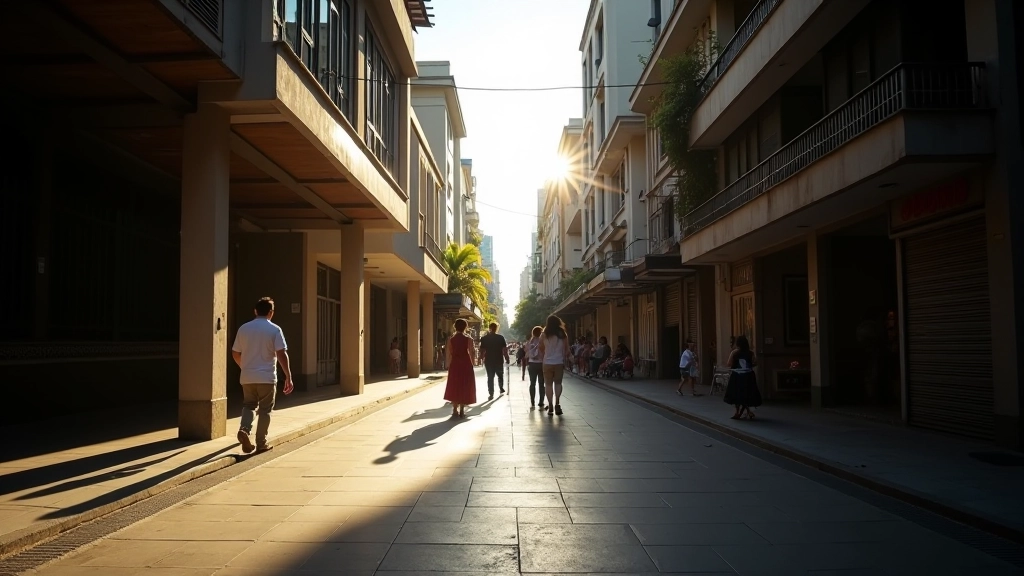
Working with Manila’s Unique Light
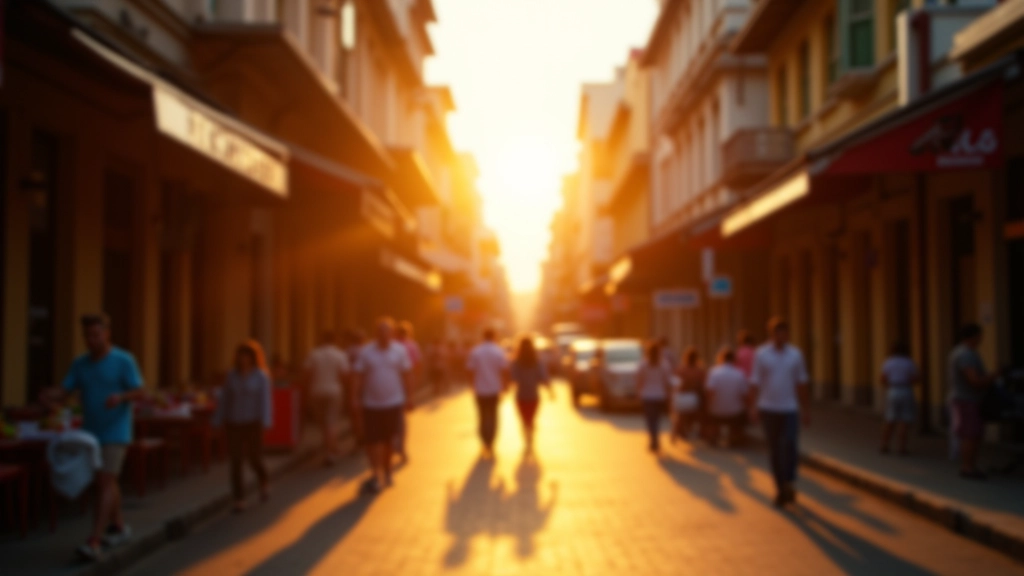
Light is everything in photography. Manila’s tropical light is intense, dramatic, and changes quickly. Noon light is harsh — lots of contrast, deep shadows, blown highlights in bright areas. This isn’t bad. You just need to understand how to work with it.
Early morning light, roughly 6 to 8 AM, gives you softer angles and warmer tones. The shadows are longer, which creates interesting compositional opportunities. Late afternoon, around 4 to 6 PM, brings similar benefits. This is when Manila’s colonial buildings glow, when street vendors set up evening displays, when the city transitions to different rhythms.
Don’t avoid noon shooting though. It’s different, not worse. Use the contrast. Silhouettes become powerful. Reflections in puddles and wet streets create secondary images. The challenge becomes managing exposure — your camera needs to choose between properly exposing shadows or preserving highlight detail. Meter for the highlights. Let shadows go dark if needed.
Ethical Considerations and Respect in Street Photography
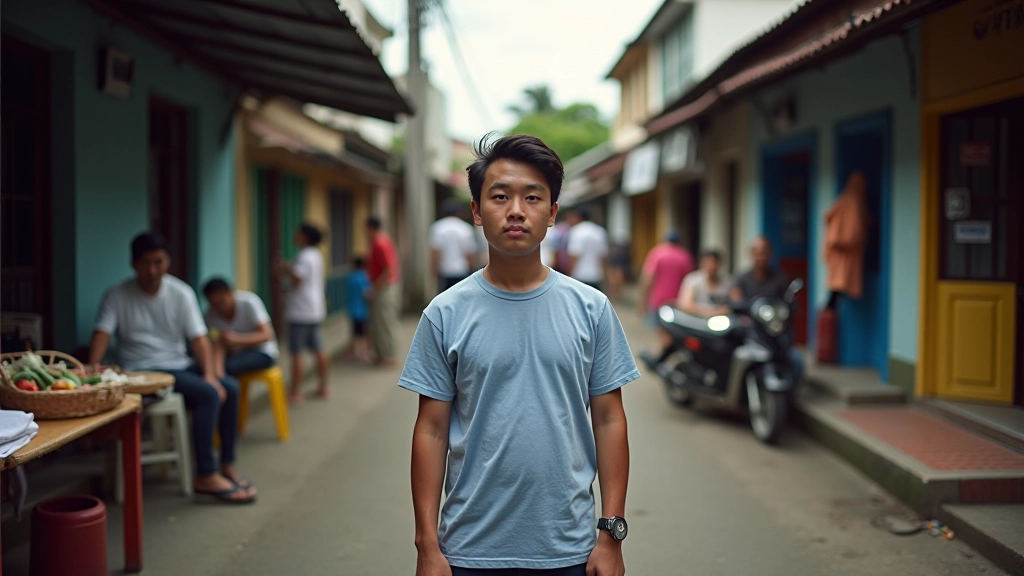
This matters more than technical skills. You’re documenting real people in their neighborhoods. Manila’s street photography community emphasizes ethical practice because the city’s communities deserve respect. It’s not about asking permission for every shot — street photography doesn’t work that way. It’s about being intentional and thoughtful.
Know which areas welcome photographers and which don’t. Some neighborhoods appreciate the attention. Others prefer privacy. Talk to locals. Understand the context. If someone objects to being photographed, respect that. The best street photographers in Manila have built relationships with their neighborhoods. They’re known. They’re trusted.
Consider what your photographs say about the city and its people. Are you documenting authentic stories or creating stereotypes? The most meaningful Manila street photography avoids patronizing perspectives. Show dignity. Show complexity. Show the reality you’re witnessing, not some predetermined narrative about “exotic” urban life.
Building Your Manila Street Photography Practice
Urban Manila offers endless photographic possibilities. The city’s energy, architectural diversity, and human complexity create rich visual narratives waiting to be documented. But you won’t develop this skill by reading about it. You’ve got to get into the streets.
Start with neighborhoods you already know. Walk the same streets repeatedly. Notice how light changes throughout the day. Observe pedestrian patterns. See where interesting compositions naturally occur. Shoot consistently — not hundreds of images per session, but regular, intentional practice.
Your early images won’t be perfect. That’s expected. You’re developing an eye for composition, understanding how your camera renders light, learning to anticipate moments. Every photographer working in Manila today started exactly where you are. The difference between amateur and skilled street photographers isn’t equipment. It’s practice, observation, and commitment to telling authentic stories.
Disclaimer
This article provides educational information about street photography techniques and practices. Photography laws and cultural norms vary by location and neighborhood within Manila. Always respect local laws regarding photography, obtain necessary permits when required, and prioritize the dignity and privacy of individuals you photograph. Consult local photography communities and organizations for current guidance on ethical practices in your specific areas of interest. This content is informational only and doesn’t constitute legal or professional photography advice.